The treadmill entered British prisons around 1818 as hard labor, but the modern fitness machine was not merely rebranded punishment: it descended through a separate line of laboratory and medical engineering
The treadmill has a prison in its family tree, but the familiar version in a gym was not simply rolled out of a Victorian cell and given a fitness logo.
Around 1817, British engineer William Cubitt adapted an old human-powered treadwheel for prison labor. Inmates stepped on the outside of a broad rotating cylinder, climbing continuously while the machine sometimes ground grain or pumped water. In other prisons, the work accomplished almost nothing beyond exhausting the people ordered to perform it.
The modern exercise treadmill followed a different engineering path. Its moving belt emerged in physiological research, then became a compact medical instrument for testing the heart under controlled exertion. Only later did that laboratory machine become standard gym equipment.
Cubitt adapted a technology that was already centuries old
Calling Cubitt the inventor of “the treadmill” needs a qualification. Humans and animals had walked inside treadwheels for centuries to power cranes and mills. The basic idea of turning a wheel with body weight was ancient.
According to historian Rosalind Crone’s account for the Open University, a Suffolk magistrate asked Cubitt to devise a way to occupy idle prisoners at Bury St Edmunds County Gaol. Cubitt elongated the existing treadwheel so many people could use it at once, moved the workers to steps on its outer surface and covered the upper part of the wheel.
That arrangement made surveillance easier and converted walking into repeated climbing. It also kept prisoners near the level of the axle, where their weight could generate useful torque.
Prototypes were operating at Bury St Edmunds and Brixton by 1819. Britain’s leading prison-reform organization endorsed the device, and by 1824 at least 54 British prisons had installed treadmills. Versions also appeared in Ireland, North America and Australia.
Productive labor and punishment were intertwined
The first sales pitch was not simply “make prisoners suffer.” Cubitt argued that the power could grind grain, pump water or operate looms. Reformers believed repetitive labor would discourage idleness, build habits of work and help a prison offset its costs.
Yet punishment was built into the design. No skill was required, every person could be assigned the same number of steps, and the climbing motion was deliberately arduous. Productivity and pain were not competing interpretations of the machine. They were part of the same penal theory.
Some installations did produce useful power. Others merely increased resistance. A London Museum record of the treadwheel at Coldbath Fields Prison preserves the inmates’ phrase for it: “grinding the wind.” Six wheels turned fans whose main purpose was to make the stepping harder.
The apparatus was also physically different from a gym treadmill. It was an “everlasting staircase,” a wide wheel with rows of wooden steps. Prisoners stood side by side, often separated by partitions, and held a rail while their weight rotated the cylinder beneath them.
A British Museum print made around 1820 shows the Brixton machine as contemporaries saw it: a collective industrial structure filling one side of the prison yard, not a narrow moving belt for one runner.
The medical treadmill came through a separate laboratory tradition
By the late 19th century, physiologists wanted machines that could hold walking speed steady while they measured breathing, metabolism and circulation. That requirement led to a closer ancestor of the modern treadmill.
German physiologist Nathan Zuntz constructed an early motor-driven Laufband in 1889. A historical review of Zuntz’s work identifies it as the first such treadmill and notes that he later added X-ray equipment to observe changes in heart size during exercise.
The logic was now reversed. On the penal treadwheel, the person supplied power to the machine. On a laboratory treadmill, a motor moved the surface at a controlled rate and the person responded. Researchers could adjust the workload and compare measurements across time or between subjects.
This was not a commercial rebranding of prison equipment. It was a reinvention of endless walking for experimental control.
A 1952 cardiac machine shaped the modern design
The decisive step toward the treadmill recognizable today came at the University of Washington. Cardiologist Robert Bruce wanted to measure heart function while a patient exercised rather than only while resting.
In 1952, the university’s medical instrument shop worked with Bruce to build a treadmill suitable for patients. The University of Washington’s history of the project describes it as allowing a patient to run in place while clinicians evaluated cardiac function.
Technician and engineer Wayne Quinton made the device smaller and lighter than earlier laboratory treadmills. His design used a two-horsepower motor and could fit into a medical setting. Speed and incline provided repeatable stages of exertion while an electrocardiograph recorded the heart’s response.
Quinton later founded a company that manufactured the machine. A University of Washington profile of his work says the lightweight cardiac treadmill became a diagnostic standard and helped fuel the aerobic exercise boom.
The same motion acquired an opposite meaning
The prison treadwheel and the fitness treadmill share a striking visual idea: effort without forward travel. That resemblance makes the “punishment rebranded as exercise” line memorable.
But the historical chain contains several breaks. Cubitt adapted a mill technology to extract forced labor. Zuntz used a motorized belt to make exercise measurable. Bruce and Quinton turned it into a compact clinical instrument. The fitness industry then sold controlled indoor walking and running as a voluntary route to training.
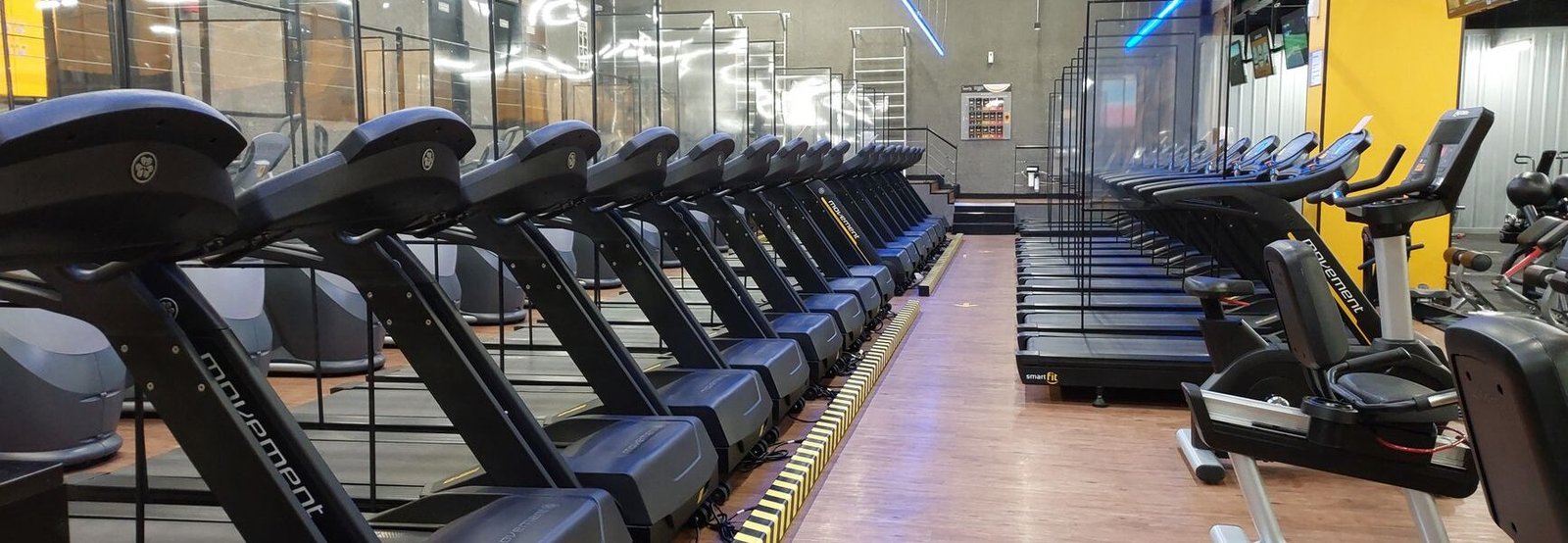
The shift was not only marketing. The mechanics, purpose and relationship to the user all changed. One machine was powered by prisoners and designed around discipline. The other powers a belt for an individual who can select the speed, incline and stopping point.
There is still an uncomfortable historical echo in the name. A device once associated with compulsory, monotonous climbing now sits in homes and gyms as a symbol of self-directed exercise. The irony is real. The simple story of a prison punishment receiving a fitness makeover is not.